What Is DMSO, And Is It FDA-Approved?
DMSO (Dimethyl Sulfoxide) is a solvent compound that has been used in medical and industrial settings since the 1960s, best known for its ability to help other substances penetrate skin.
Its regulatory status is genuinely more nuanced than a simple yes-or-no, and worth understanding clearly rather than glossing over.
What DMSO actually does
DMSO is well-documented to enhance the penetration of other substances applied to the skin by temporarily altering cell membrane permeability. This is why it's frequently paired with other topical active ingredients in pain-relief products — it helps carry them deeper into tissue than they would reach on their own.
The specific FDA approval DMSO does have
The FDA has approved DMSO for exactly one specific medical use: as a prescription treatment (marketed as Rimso-50) for interstitial cystitis, a bladder condition, administered by a doctor via bladder instillation. This is a narrow, specific approval — not a general approval for topical pain relief.
What DMSO does not have FDA approval for
Why this distinction matters for buyers
Products marketing DMSO's inclusion heavily sometimes blur this line, implying DMSO itself is an FDA-sanctioned pain reliever. Being clear about what's actually approved for what purpose helps you evaluate a product's claims more accurately.
Known side effects
DMSO is known to cause a garlic-like taste and breath odor as it's metabolized, generally described as mild with topical use compared to oral or injected administration. This is a real, documented effect, not a rare anomaly.
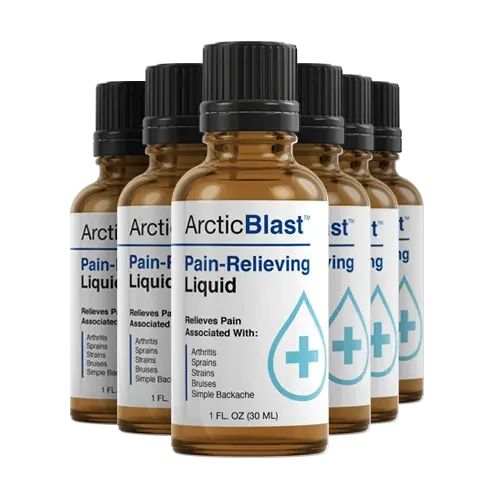
Applying this to ArcticBlast
ArcticBlast's active ingredients are Menthol and Camphor, following the FDA External Analgesic monograph. DMSO is included as a supporting, non-active ingredient for its penetration-enhancing properties. See the full Drug Facts panel for the complete breakdown.