Menthol, Camphor And The Cooling Effect: How It Actually Works
Menthol and Camphor are two of the most established topical analgesic active ingredients, recognized under the FDA's External Analgesic monograph for over-the-counter use.
Understanding the actual mechanism, gate-control theory, helps set realistic expectations for what a cooling topical can and cannot do.
How Menthol creates the cooling sensation
Menthol activates a receptor called TRPM8, normally responsible for detecting cold temperatures. When triggered by menthol at skin level, it sends a genuine cooling signal to the brain, distinct from any actual temperature change in the tissue.
The gate-control theory of pain
The cooling and tingling sensations from menthol are believed to work partly through 'gate-control theory' — the idea that non-painful sensory input (like cooling) can interfere with or 'close the gate' on pain signals traveling the same neural pathways to the brain. This happens quickly, often within seconds of application.
Camphor's complementary role
Camphor works somewhat differently, associated with local counter-irritation and increased blood flow to the application area. Combined with menthol's cooling effect, the two create layered sensory interference with pain signaling.
Why concentration matters
What this mechanism does not do
Gate-control interference with pain signals is a real, measurable effect, but it's temporary and symptomatic. It does not heal damaged tissue, reduce structural inflammation at a cellular level, or address the underlying cause of chronic pain conditions.
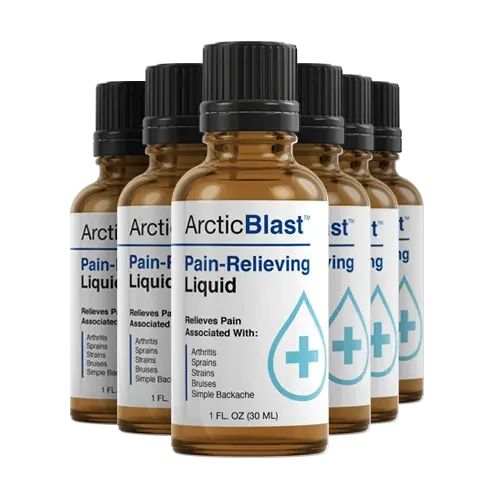
Applying this to ArcticBlast
ArcticBlast's two active ingredients, Menthol (10%) and Camphor (3%), are the FDA-recognized actives responsible for its cooling, temporary pain-interference effect. See the full ingredient breakdown for how these combine with the formula's other components.